

Easy Fixes for Hot Water Heater Repair Tips
- Scott Rosenbaum
- Apr 27
- 4 min read

When your hot water heater stops working properly, it can disrupt your daily routine. Fortunately, many common issues can be fixed with simple steps. In this post, I will share easy fixes for hot water heater repair that you can try before calling a professional. These tips are designed to help homeowners maintain their water heaters and solve minor problems efficiently.
Water Heater Repair Tips for Common Problems
Water heaters can develop issues over time due to wear and tear or lack of maintenance. Here are some practical tips to address frequent problems:
No Hot Water: Check if the pilot light is out on gas water heaters. Relight it following the manufacturer’s instructions. For electric models, ensure the circuit breaker hasn’t tripped.
Water Too Hot or Too Cold: Adjust the thermostat to a comfortable temperature, usually around 120°F. If the thermostat is faulty, it may need replacement.
Strange Noises: Sediment buildup can cause popping or rumbling sounds. Flushing the tank annually helps remove sediment and improve efficiency.
Leaking Tank: Inspect the tank and connections for leaks. Tighten loose fittings or replace faulty valves. If the tank itself is leaking, replacement is often necessary.
Slow Hot Water Recovery: This may indicate a failing heating element or thermostat. Testing and replacing these parts can restore performance.
Regular maintenance, such as flushing the tank and checking the anode rod, can prevent many issues. Always turn off power or gas supply before performing any repairs.
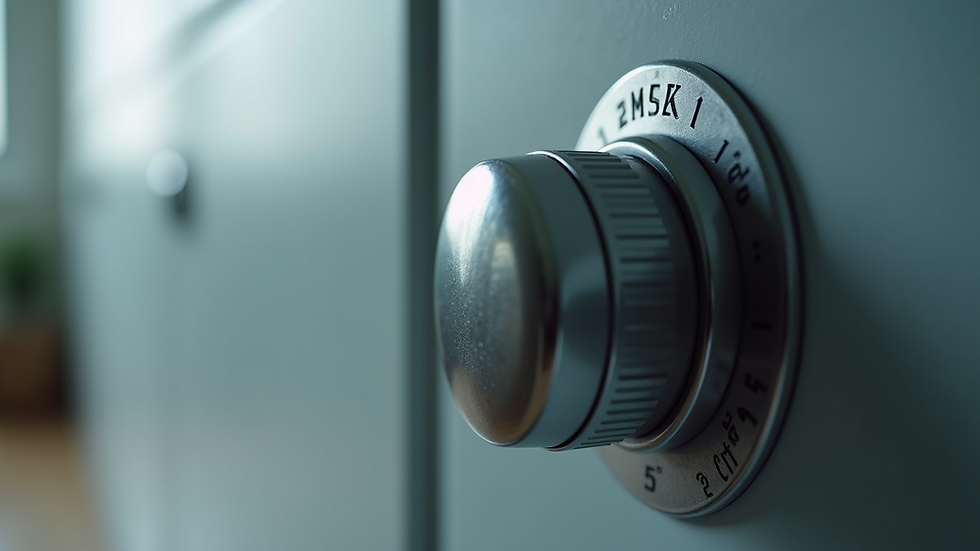
Adjusting the thermostat can help regulate water temperature effectively.
Is it Worth It to Repair a Hot Water Heater?
Deciding whether to repair or replace a water heater depends on several factors:
Age of the Unit: Most water heaters last 8-12 years. If your unit is older, replacement might be more cost-effective.
Cost of Repair: Minor repairs like replacing a thermostat or heating element are usually affordable. However, extensive repairs or leaks in the tank can be expensive.
Energy Efficiency: Newer models are more energy-efficient and can reduce utility bills.
Frequency of Repairs: If you find yourself fixing the heater often, investing in a new unit may save money in the long run.
Evaluate the repair cost against the price of a new water heater. If repairs exceed 50% of the replacement cost, it is generally better to replace the unit. Consulting a professional can help you make an informed decision.
How to Flush Your Water Heater Tank
Flushing the tank is a simple maintenance task that removes sediment buildup. Sediment can reduce efficiency and cause damage over time. Here’s how to flush your water heater:
Turn off the power supply or gas to the heater.
Attach a garden hose to the drain valve at the bottom of the tank.
Place the other end of the hose in a safe drainage area.
Open the drain valve and allow the tank to empty completely.
Close the valve, remove the hose, and refill the tank by turning on the water supply.
Restore power or gas once the tank is full.
Performing this task once a year can extend the life of your water heater and improve its performance.

Flushing the tank helps remove sediment and maintain water heater efficiency.
Checking and Replacing the Anode Rod
The anode rod protects your water heater tank from corrosion. Over time, it deteriorates and needs replacement. Here’s how to check and replace it:
Turn off the power or gas and water supply.
Locate the anode rod on top of the tank.
Use a socket wrench to unscrew and remove the rod.
Inspect the rod for heavy corrosion or depletion.
Replace it with a new rod if necessary.
Reinstall the rod and restore power and water supply.
Replacing the anode rod every 3-5 years can prevent tank corrosion and extend the heater’s lifespan.
When to Call a Professional for Hot Water Heater Repair
While many fixes are simple, some issues require professional attention:
Persistent leaks or water pooling around the heater.
Gas smell or suspected gas leaks.
Electrical problems or frequent circuit breaker trips.
Complex component replacements.
Installation of a new water heater.
If you are unsure about any repair or safety concerns arise, it is best to contact a licensed technician. For reliable service in your area, consider reaching out to experts who specialize in residential natural gas and propane systems.
For more detailed guidance on hot water heater repair, you can visit trusted service providers who offer professional support and maintenance.
Maintaining Your Water Heater for Long-Term Reliability
Regular maintenance is key to avoiding unexpected breakdowns. Here are some tips to keep your water heater in good condition:
Schedule annual flushing to remove sediment.
Check the pressure relief valve for proper operation.
Inspect the anode rod every few years.
Monitor water temperature settings.
Address minor leaks or noises promptly.
By following these simple steps, you can ensure your water heater operates safely and efficiently for years to come. Proper care helps protect your investment and provides peace of mind.
By applying these easy fixes and maintenance tips, you can handle many common water heater issues yourself. However, always prioritize safety and consult professionals when needed to keep your home’s hot water supply reliable.


Comments